Categories
Adding Value, Choosing an Advisor, Home Buying, Real Estate Professional, Home InspectionPublished April 15, 2026
Why Skipping a Home Inspection Could Cost You Thousands

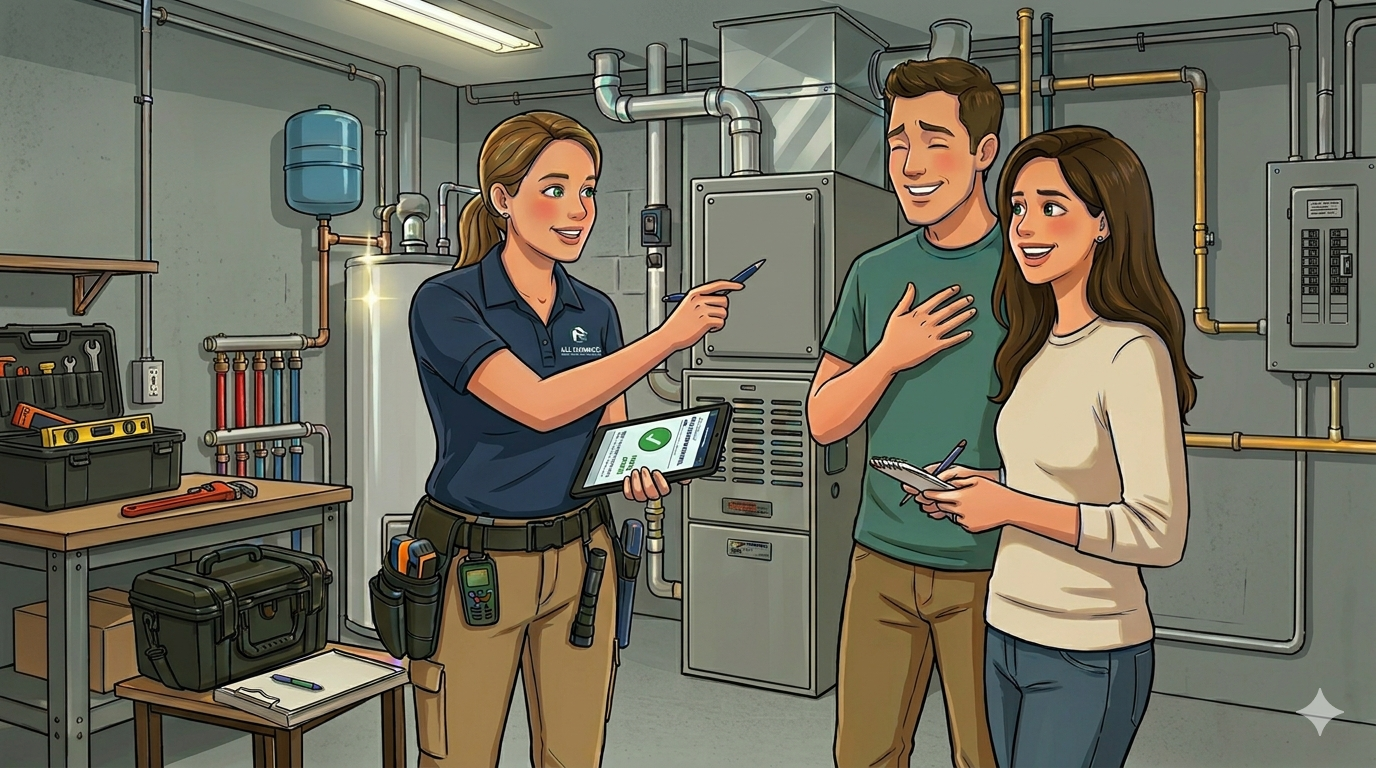
When purchasing a home, the due diligence period is not just a formality. It is your window of protection. This is the time where buyers have the opportunity to fully evaluate the property, uncover hidden issues, and make informed decisions before their earnest money becomes non-refundable.
Inspections are the backbone of this process. They are designed to uncover everything from minor maintenance concerns to major structural or environmental hazards that could impact your finances, your time, and your peace of mind. The goal is simple: identify risks early, assess their impact, and determine whether to move forward, renegotiate, or walk away.
At Lemonade Real Estate, we guide our clients to approach inspections with intention. Not as a checkbox, but as a strategic advantage.
The 5 Essential Inspections Every Buyer Should Consider
There are dozens of potential inspections available, but five stand above the rest when it comes to protecting buyers during the due diligence period.
1. General Home Inspection (Estimated Cost: $400)
This is the foundation of all inspections. A licensed and reputable inspector will perform a comprehensive evaluation of the property, giving you a full snapshot of its condition. This includes the roof, foundation, electrical systems, plumbing, HVAC systems, appliances, and overall structural integrity. Key items such as the age of the furnace, air conditioning unit, and water heater are evaluated to estimate remaining life expectancy. Plumbing materials like copper versus polybutylene are identified, and electrical panels are reviewed for safety and functionality. This inspection often reveals the majority of concerns and provides the clearest picture of what you are truly buying.
2. Sewer Scope Inspection (Estimated Cost: $250)
This is one of the most overlooked yet critical inspections, and we strongly recommend it regardless of the age of the home. Sewer lines are buried deep below the property, often starting around 10 feet underground and sloping even further toward the city connection. These are not simple or inexpensive repairs. A damaged sewer line discovered after closing can cost thousands of dollars, with some repairs exceeding $20,000.
A sewer scope uses a camera to inspect the line for cracks, root intrusion, offsets, bellies or blockages. Identifying these issues during due diligence allows buyers to assess risk and often negotiate repairs or concessions with the seller.
3. Radon Testing (Estimated Cost: $200)
Radon is an odorless, tasteless gas formed from the natural breakdown of uranium in soil. It is widely recognized as the second leading cause of lung cancer. Because radon cannot be detected without testing, this inspection is critical, especially in areas where elevated levels are more common. The good news is that mitigation systems are relatively affordable, typically costing under $2,000. Testing for radon provides clarity and allows buyers to address serious health concerns before closing.
4. Meth Contamination Test (Estimated Cost: $250)
While not every home has a history of contamination, the consequences of overlooking this risk can be severe. Homes previously exposed to methamphetamine production or heavy use can carry harmful residue that poses health risks to future occupants. Unfortunately, these issues are often invisible and difficult to identify without proper testing. Rather than relying on assumptions or visible clues, a meth test provides certainty and protects your household from potential long-term exposure.
5. Mold Inspection (Estimated Cost: $375)
Mold is often referred to as the silent issue within a home. It thrives in dark, damp, and undisturbed environments, making it difficult to detect without professional evaluation. Common areas include bathrooms, kitchens, laundry spaces, and anywhere moisture may be present. However, mold can also grow behind walls or in hidden areas due to slow leaks or poor ventilation. Exposure to mold has been linked to respiratory issues and other health concerns. Identifying mold early allows for proper remediation and prevents further spread.
What Happens If an Issue Is Found?
Discovering an issue does not mean the deal is over. In many cases, it creates an opportunity. During the due diligence period, buyers can renegotiate terms, request repairs, pursue financial concessions, or in some cases, walk away entirely while protecting their earnest money. The key is to have the right information before deadlines pass. This is where strategy matters. Not every issue is a deal breaker, but every issue deserves to be understood.
Why This Is Some of the Best Money You Will Spend
These five inspections represent a relatively small investment compared to the overall purchase price of a home. Yet they offer one of the highest returns in terms of protection and peace of mind. In the best-case scenario, the home checks out clean, and you move forward with confidence. In other cases, these inspections uncover issues that allow you to renegotiate or avoid a costly mistake. Either way, you are making an informed decision.
Guidance You Can Trust
At Lemonade Real Estate, we believe our role is to protect our clients and elevate their experience. If any concerns arise during inspections, we connect you with trusted, licensed professionals who can provide deeper insight and help you determine the best path forward. The due diligence period is not just about discovering problems. It is about gaining clarity, creating leverage, and ensuring that when you move forward, you do so with confidence.
Final Thoughts
Intentional inspections are one of the most powerful tools a buyer has. They shine a light on the unknown, protect your investment, and give you control during one of the most important financial decisions you will make.
If you are preparing to purchase a home, inspections are not optional. They are essential. Because the goal is not simply to buy a home, it is to secure the right home with clarity, confidence, and protection every step of the way.
or another way