
Categories
Home Seller Tips, Pricing Your Home Correctly, Overpricing Your Home, Home Selling Mistakes, Real Estate Education, Equity, Choosing an AdvisorPublished June 9, 2026
Why Overpricing Your Home Could Cost You Thousands

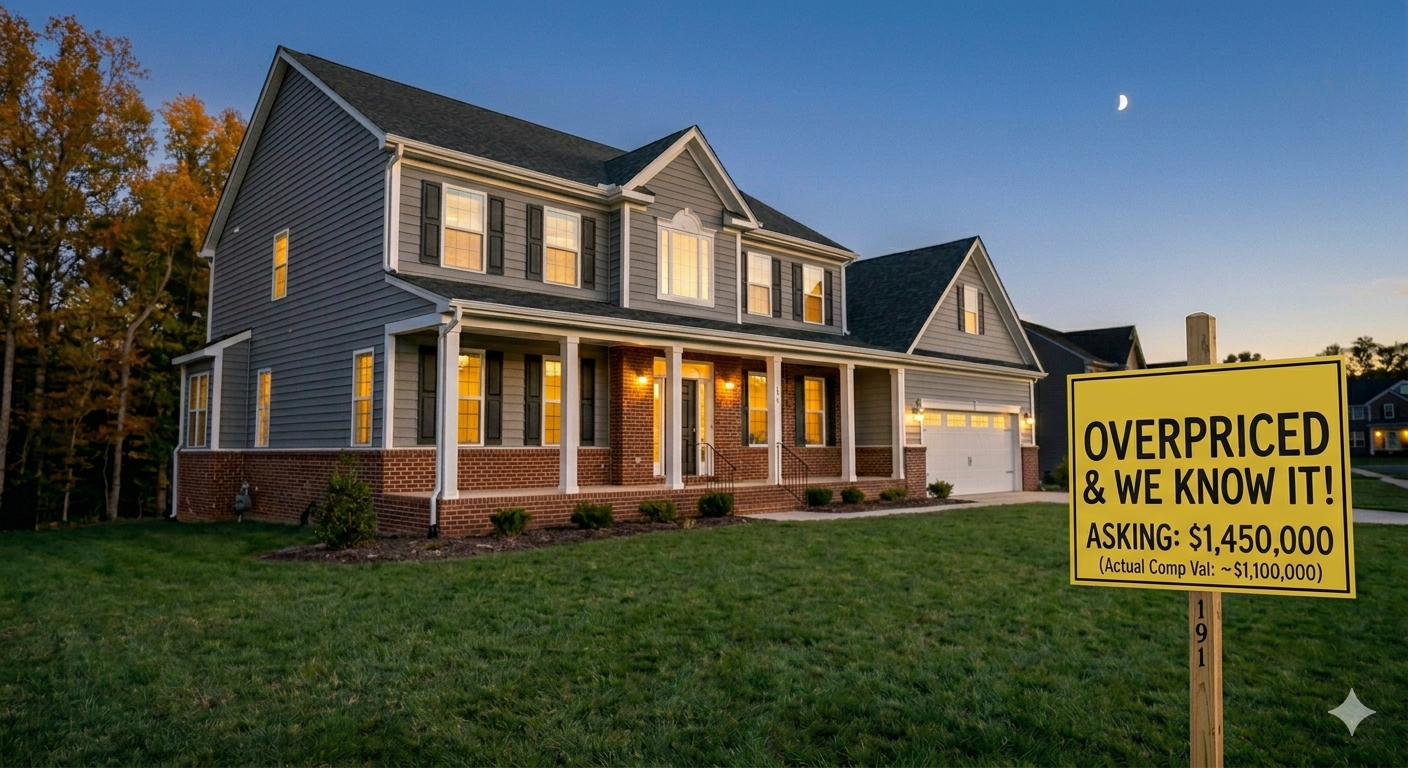
Every seller wants the same thing: to sell their home for the highest possible price. That's not greed, that's common sense. After all, your home is likely one of the largest financial assets you own. It makes sense to want to maximize your return when it's time to sell. The challenge is that many sellers unknowingly make a critical mistake in pursuit of that goal:
They overprice their home.
Ironically, the strategy intended to help sellers make more money often results in lower offers, longer time on market, increased stress, and sometimes a lower final sales price. In today's real estate market, pricing your home correctly from the beginning is one of the most important decisions you can make.
Buyers Have More Choices Than Ever
Today's buyers are more selective than they have been in years. Home prices remain elevated. Interest rates continue to impact affordability. Monthly payments are larger than many buyers expected, and as a result, buyers are carefully evaluating every property they consider. When buyers are spending hundreds of thousands of dollars, they want to feel confident they are receiving value. Even if your home is in exceptional condition, buyers will still compare it to every other available property in their search range.
They are asking questions such as:
- Is this home worth the asking price?
- What features does it offer compared to competing homes?
- Can I find something similar for less?
- Will I have money left over for repairs, improvements, or future expenses?
If your home is priced above where buyers perceive the market value to be, many will simply move on to the next listing.
The Hidden Danger: Buyers May Never See Your Home
One of the biggest risks of overpricing is that your ideal buyer may never even find your property. Most buyers search online using specific price ranges. For example, if a buyer's budget is $500,000, they may search for homes between $450,000 and $500,000. If your home should realistically be priced at $499,000 but is listed at $529,000, you may completely miss the largest pool of qualified buyers. Those buyers never schedule a showing. They never walk through the front door. They never have the opportunity to fall in love with your home. The listing is simply filtered out before they ever see it.
The First Three Weeks Matter Most
When a new listing hits the market, it receives the highest level of attention it will ever receive. New listings generate excitement. Buyers who have been waiting for the right property receive notifications. Agents share new opportunities with their clients. Showing activity is typically strongest during the first few weeks. This period is your best opportunity to achieve maximum value. If your home enters the market overpriced and fails to generate offers during those first few weeks, the market begins sending feedback.
Some common warning signs include:
- Low showing activity
- Few online saves or favorites
- Limited inquiries
- Multiple showings with no offers
- Repeated comments regarding price
At that point, sellers are no longer leading the market. They are chasing it.
Why Price Reductions Often Hurt More Than Help
Many sellers assume they can simply "start high" and reduce the price later. Unfortunately, buyers are paying attention. When a property sits on the market for an extended period, buyers naturally begin asking questions:
- What's wrong with the house?
- Why hasn't it sold?
- Is the seller unrealistic?
- Should I wait for another price reduction?
Instead of creating urgency, an overpriced listing often creates hesitation. Meanwhile, market conditions continue changing. New competing listings appear. Inventory increases. Interest rates fluctuate. The opportunity to capture maximum attention has already passed.
The Emotional Side of Selling
Selling a home is not just a financial decision. It's an emotional one. Your home holds memories that buyers cannot see. It's where birthdays were celebrated. It's where family traditions were created. It's where children took their first steps. It's where holidays, milestones, and life happened. Those memories are priceless to you. But buyers don't purchase memories. They purchase value. They evaluate location, condition, floor plan, functionality, and price. This is one of the most difficult realities for sellers to accept because they naturally view their home through years of personal experience and emotional connection. Buyers view it through an entirely different lens. Neither perspective is wrong. They're simply different.
The Goal Is Not to Underprice Your Home
Many sellers fear that pricing correctly means leaving money on the table. That's not the goal. A strong pricing strategy should never be about giving your home away. Instead, the goal is to position your home where buyers see value, competition is created, and the market responds positively. When pricing aligns with market expectations, sellers often benefit from:
- More showings
- Greater buyer interest
- Stronger negotiating positions
- Faster sales
- Less stress
- Better overall outcomes
Final Thoughts
The biggest pricing mistake a seller can make is assuming that starting high carries no risk. In reality, overpricing can cost sellers their most valuable asset during the sale process: time. The longer a home sits on the market, the more difficult it becomes to maintain momentum and maximize value. A successful sale is rarely about finding the highest possible list price. It's about finding the price that attracts the right buyers, creates demand, and allows the market to work in your favor.
At Lemonade Real Estate, we believe sellers deserve honest guidance, clear market data, and a strategy designed to help them make informed decisions. The goal isn't simply to put a sign in the yard. It's to help you position your home for success from day one and create the sweetest possible selling experience.
or another way