
Categories
Resale Value, Adding Value, Choosing a Realtor, Choosing an Advisor, Home Buyer Tips in Utah, Home Buyers, Home Buying, Home Buying Tips, Home Seller Tips, Home Sellers, Home Selling, Home Selling Mistakes, Utah Real Estate, Real Estate EducationPublished November 14, 2026
Why Homebuyers Become Less Forgiving as Home Prices Increase

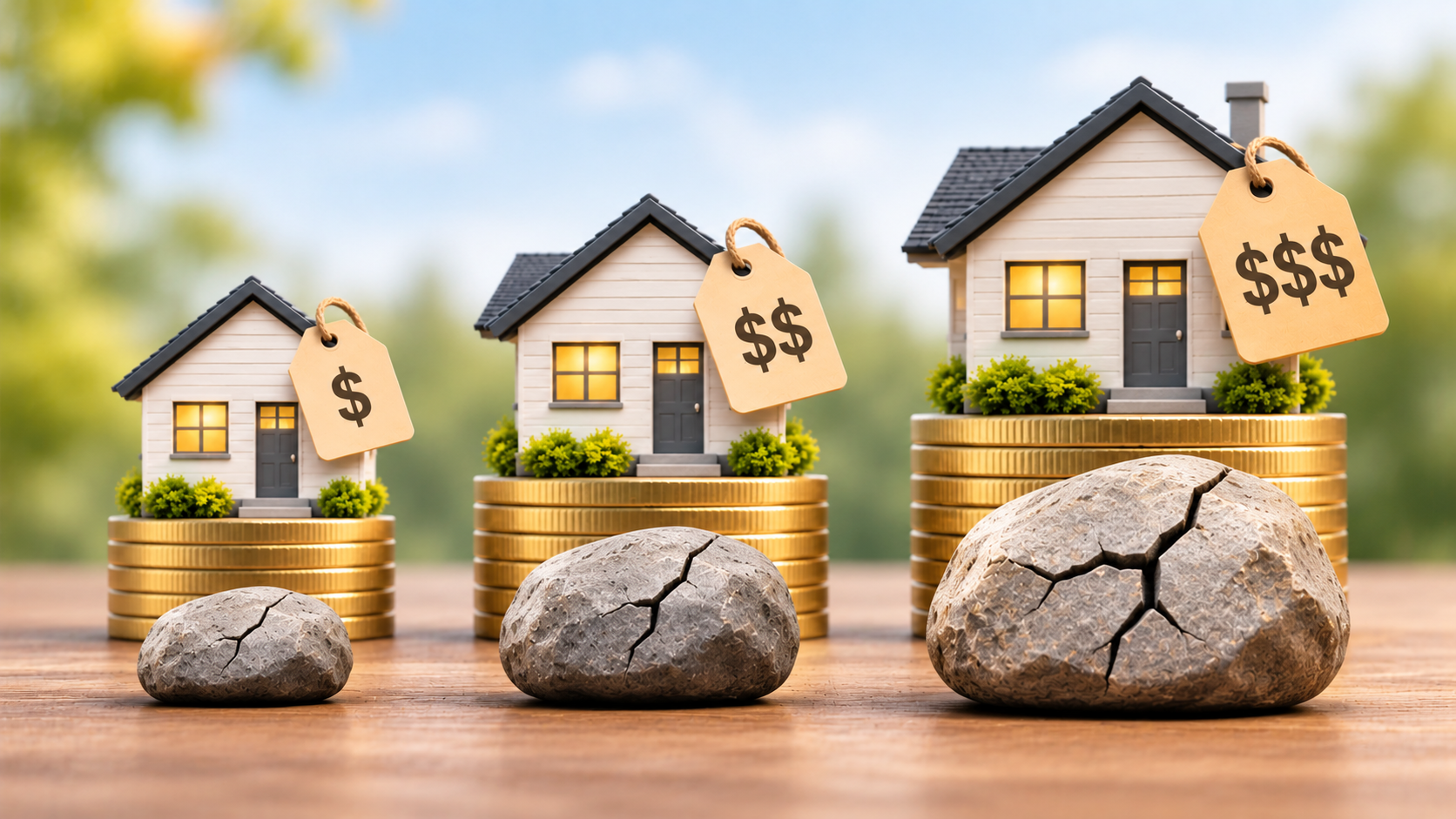
The Price-Pain Principle: Why Problems Become Bigger as Home Prices Increase
There's something I've noticed throughout my career in real estate. A home can be absolutely beautiful, thoughtfully designed, and exceptionally well-maintained, yet still have one drawback that prevents a buyer from moving forward especially as the price increases. I've come to call this the Price-Pain Principle which means "problems become bigger problems as homes become more expensive".
When a Beautiful Home Isn't Enough
Recently, I toured a beautiful home with one of my buyers. It had gorgeous finishes, a functional layout, spacious bedrooms, and an appealing location. Unfortunately, it also bordered a commercial property where we could hear loud music during our showing. Even more concerning were the views from the upstairs bedrooms, which overlooked the commercial building and neighboring yards that weren't particularly well-maintained. My buyer summed it up perfectly: "I would live in this home if it were anywhere else." She loved the house, but the surroundings were enough to keep her from making an offer.
Why Price Changes Everything
Now, imagine that same property at a substantially lower price. At $200,000, a buyer might look at the neighboring commercial property and think, "That's not ideal, but considering everything I'm getting for the money, I can live with it." As the price increases, however, that same compromise becomes harder to justify.
Buyers begin asking whether they should accept these drawbacks when other homes in their price range don't have them. They also start thinking about what happens when they eventually sell. Will future buyers have the same concerns? Are they paying a premium price for a property that requires a significant compromise? The physical problem hasn't changed, but the price has changed how much that problem matters. That's the Price-Pain Principle.
Some Problems Can't Be Renovated Away
Here's another important consideration. You can replace countertops, update flooring, remodel bathrooms, and improve landscaping, but you generally cannot control what happens on a neighboring property. That commercial building wasn't going anywhere, and the concern wasn't simply whether my buyer could tolerate the environment today. It was whether she'd face the same objection from future buyers when she eventually decided to sell.
This is where pricing becomes especially important. A home doesn't have to be perfect to sell, but its price needs to reflect the compromises buyers are being asked to make. Beautiful finishes and thoughtful improvements can certainly increase a home's appeal, but they don't necessarily overcome every objection, especially when the issue is something the homeowner cannot change.
The Takeaway
For sellers, the lesson is that even a beautifully presented home needs to be priced with its limitations in mind. For buyers, it's a reminder to consider not only what you love about a property, but also the things you cannot change and how those characteristics might affect your experience and future resale opportunities. Every property has compromises. The question is whether the price makes those compromises worthwhile. That's the Price-Pain Principle.
Lemonade Real Estate | Sweetly Guiding You Home
or another way