
Categories
Adding Value, Choosing an Advisor, Choosing a Realtor, Equity, Short Sale, Distressed Property, Home Buying, Home Seller Tips, Home Selling, Home Selling Mistakes, Pricing Your Home Correctly, Real Estate Professional, Real Estate Education, Real Estate InvestorPublished August 28, 2026
What is a short sale? A guide for Home Buyers and Sellers

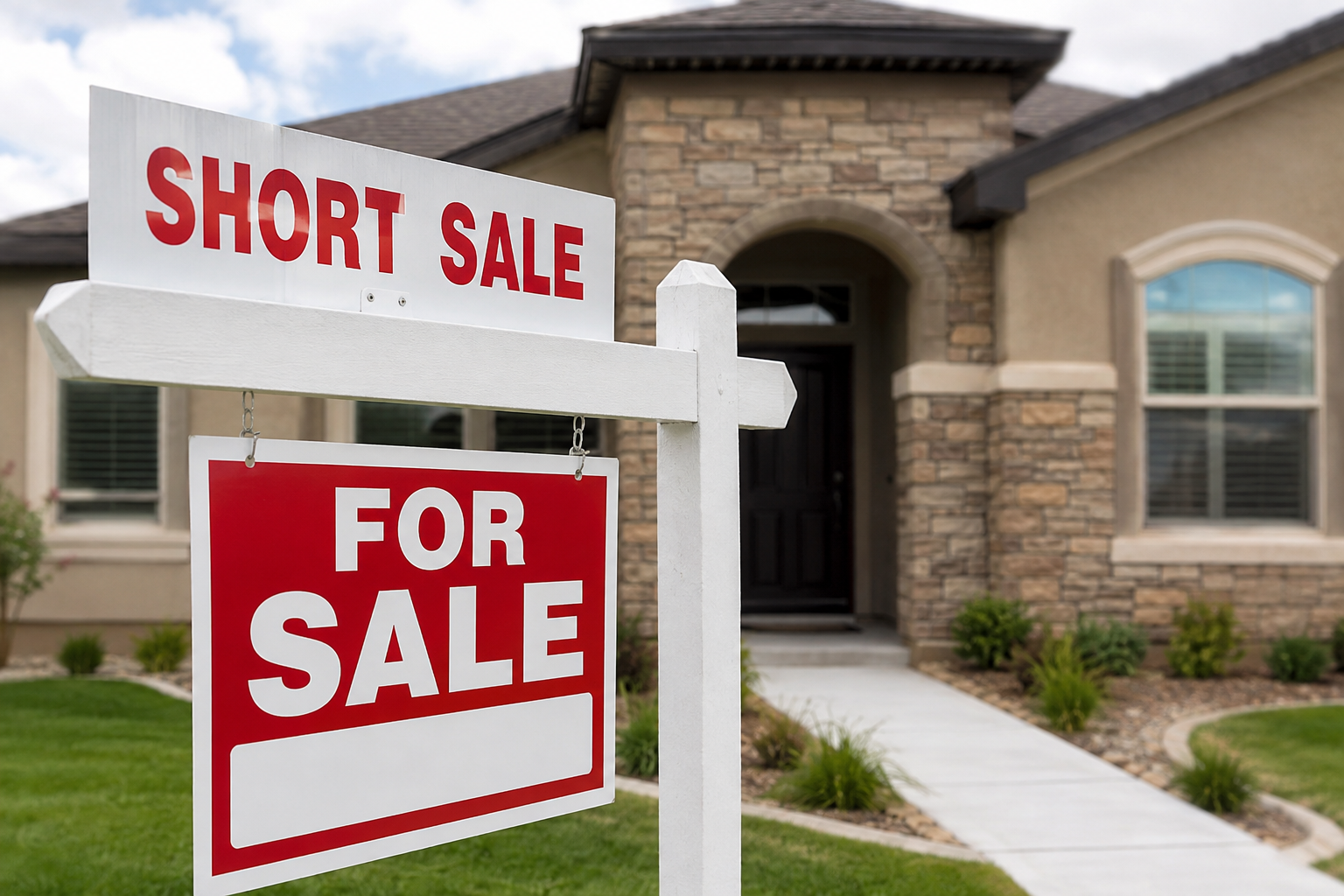
What Is a Short Sale? A Guide for Utah Home Buyers and Sellers
* Disclaimer* I cannot express this enough, if you are considering a short sale; read this article and immediately contact your Real Estate Professional. If you don't have an Agent or need to get a second opinion, We at Lemonade Real Estate would be happy to consult you on your options and to have an open dialogue as to how best to help.
The term "short sale" can be a little misleading. It certainly doesn't mean the transaction length will be short, and it doesn't necessarily mean the home is being sold at an enormous discount. A short sale occurs when a property is sold for an amount that isn't sufficient to satisfy the debt. Because of this, a lender agrees to accept the transaction and release its lien so the property can be conveyed to a new owner.
For homeowners experiencing financial difficulty, a short sale can potentially provide relief. If they have been struggling making payments and have been exhibiting distressing financial symptoms a short sale can provide pathway when selling the property normally isn't financially possible. For buyers, a short sale can present an opportunity to purchase a property at an attractive price under circumstances that are different from a traditional sale. In either case, there are additional steps, additional parties and some important risks to understand before moving forward.
How Does a Home End Up in a Short Sale?
The simplest example is a homeowner has purchased a property for more than it is currently worth at the time of sale. If the homeowner owes $500,000 but the property can only reasonably be sold for $450,000, there isn't enough money from the sale to completely pay off the mortgage, even before considering other potential costs of selling.
***A special note to remember that declining property values aren't the only way this can happen.***
A homeowner may have owned the property long enough to experience significant appreciation but later borrowed against that equity through a second mortgage or home equity line of credit. There may also be other liens or financial obligations associated with the property. Depending on the circumstances, unpaid taxes, judgments, solar financing or other obligations can further complicate the owner's ability to sell the property with clear title. The important question isn't simply, "What is the house worth?" It's also, "What has to be paid or resolved in order to successfully sell it?" When those numbers no longer work and the homeowner needs to sell, a short sale may become one option worth exploring.
A Short Sale Is Not Automatically Granted
One of the biggest misconceptions about short sales is that a homeowner can simply tell the bank, "I owe more than my house is worth, so I'd like you to forgive the difference." It doesn't work that way. The lender is being asked to accept less than what it is owed, so it has a financial interest in carefully evaluating the situation. The homeowner will need to submit tedious amounts of financial information and documentation demonstrating their circumstances. Depending on the lender and loan, that could involve income information, bank statements, financial worksheets, hardship documentation and other materials requested by the institution.
A homeowner may be experiencing a job loss, reduction in income, divorce, medical expenses, relocation or another significant financial hardship. The lender will ultimately determine whether the homeowner and property qualify for its short-sale process. This is why homeowners who believe they may be heading toward financial trouble should consider asking questions early. Waiting until a foreclosure deadline is approaching can dramatically reduce the amount of time available to understand and evaluate potential options.
What Does a Short Sale Mean for a Seller?
For a seller, the first thing to understand is that you are asking another party to participate in your sale. In a traditional transaction, a seller can generally decide whether an offer is acceptable and sign the contract. In a short sale, the seller may accept an offer, but the lender or other third party still needs to review and approve the transaction before it can move forward under the proposed terms.
That institution is going to look very carefully at the numbers. How much is the property worth? How much is being offered? What expenses are being paid from the transaction? Are there other liens? Are concessions being requested? What will the lender ultimately receive? The lender may obtain a valuation of the property, which can include a Broker Price Opinion, commonly called a BPO, or another type of valuation or appraisal. A BPO is generally prepared by an experienced real estate professional to provide an opinion of the property's likely market value. The lender may then approve the offer, reject it or approve the short sale subject to different terms. For sellers, this can require patience and a willingness to provide documentation throughout the process.
What Happens to the Money the Seller Still Owes?
This is one of the most important questions a seller should ask before agreeing to a short sale. If a lender is owed $500,000 and agrees to allow a property to sell for an amount that provides it substantially less than $500,000, what happens to the difference? The answer depends on the loan, lender, approval terms and applicable law. A short-sale approval should not simply be interpreted as an automatic promise that every remaining financial obligation has disappeared. At the same time, sellers shouldn't automatically assume they will remain responsible for the entire deficiency either.
In Utah, state law addresses actions to recover certain deficiencies following qualifying residential short sales, including a time limitation on when such an action may be brought. Some mortgage programs may also provide a deficiency waiver as part of an approved short sale. The specific approval documents matter enormously.
There can also be tax considerations when debt is forgiven. Depending on the circumstances, canceled debt may be treated as taxable income, although exceptions and exclusions can apply. This is an area where the seller should understand exactly what the lender is agreeing to and, when appropriate, seek advice from qualified legal and tax professionals before completing the sale.
What Does a Short Sale Mean for a Buyer?
For buyers, short sales can be exciting because there may be an opportunity to purchase a property under favorable terms. But remember this... A short sale isn't necessarily a short process.
You may find a home, write an offer and have the seller accept it. In a traditional transaction, that would normally be the major milestone that gets the transaction moving. With a short sale, there is another layer. The lender or other required third party may still need to approve the transaction. This can take up to 90 days while the most common response comes in at around 30-40 days.
That means the buyer needs to be prepared for additional waiting and uncertainty while the offer is reviewed. The institution may analyze the property's value, the seller's financial circumstances, the proposed closing costs and the amount of money it expects to receive from the sale. The lender may accept the proposed terms, reject them or respond with conditions that need to be addressed before approval is granted.
Don't Expect the Bank to Fix Everything
This is another area where buyers need realistic expectations. If you're purchasing a short-sale property, you should approach your due diligence seriously. Get the appropriate inspections, review the disclosures that are available, investigate the property and understand what you're buying. However, discovering a problem doesn't necessarily mean the lender will agree to pay to fix it.
A buyer might discover an aging roof, an older furnace, plumbing issues or another expensive condition and naturally want to negotiate. You can certainly evaluate your options and make requests when appropriate, but remember that the lender is already evaluating a transaction in which it may be accepting less than the amount it is owed. That doesn't create a particularly strong incentive for the lender to spend additional money improving the property for the buyer. Concessions can happen, but buyers should enter a short-sale transaction prepared for the possibility that the property will effectively need to be accepted in its existing condition if they want to continue.
What Happens After the Short Sale Is Approved?
Once the necessary third-party approval is received, the transaction begins to look much more like a traditional home sale. The buyer can move forward with the remaining steps of the purchase, including earnest money, due diligence and inspections, financing, appraisal and ultimately settlement and recording.
The hard part was getting everyone to the starting line. Once the short sale is approved, the focus shifts back to completing the transaction and getting the property successfully conveyed from the seller to the buyer.
Should a Seller Consider a Short Sale?
A short sale isn't the right solution for every homeowner experiencing financial difficulty. There may be other possibilities worth evaluating depending on the situation, including selling the property conventionally, bringing money to closing, negotiating with creditors, pursuing a loan modification or other loss-mitigation options, or seeking legal or financial guidance regarding additional alternatives.
The important thing is not to wait until you're completely out of options before asking for help. If you're struggling to make your mortgage payment, have received notices from your lender, believe you owe more than you can reasonably sell the property for, or simply don't understand what options are available, start gathering information. A conversation doesn't obligate you to sell your home. Sometimes understanding the numbers is enough to reveal options you didn't realize you had.
Should a Buyer Consider Purchasing a Short Sale?
Short sales can absolutely be worth considering for the right buyer, but price shouldn't be the only consideration. A buyer needs to weigh the potential opportunity against the additional uncertainty, condition of the property and potentially longer timeline. If you need to be in a home within a very specific timeframe, a transaction requiring third-party approval will create challenges. If you have flexibility and understand the process, however, a short sale may present an opportunity worth exploring. The key is knowing what you're getting into before you write the offer. A good deal isn't simply a low purchase price. A good deal is a property and transaction where the numbers, condition, risks and timeline make sense for you.
Knowledge Creates Options
Short sales exist because sometimes the amount owed against a property and the realities of selling that property no longer line up. For sellers, that can create an incredibly stressful situation. For buyers, it can create an interesting opportunity. For both parties, the best place to begin is with education.
Understand who has to approve the transaction. Understand the property's condition. Understand the deadlines. Understand what the lender is and isn't agreeing to. Most importantly, don't make assumptions about what a short sale means financially simply because you've heard someone else's experience. Every property, loan and borrower can be different.
At Lemonade Real Estate, our responsibility is to help our clients understand the road in front of them, identify potential risks and make informed decisions. Whether you're a homeowner concerned about your ability to sell or a buyer who has found a short-sale property you're interested in purchasing, we're here to help you understand the real estate side of the process and coordinate with the appropriate professionals when legal or tax questions arise. Sometimes the most valuable thing you can have in a difficult real estate situation isn't an immediate answer. It's a clear understanding of your options.
Sweetly Guiding You Home
or another way