
Categories
Home Buying, Real Estate ProfessionalPublished January 6, 2026
Utah Real Estate at the Start of 2026: Why the Headlines Don’t Tell the Full Story

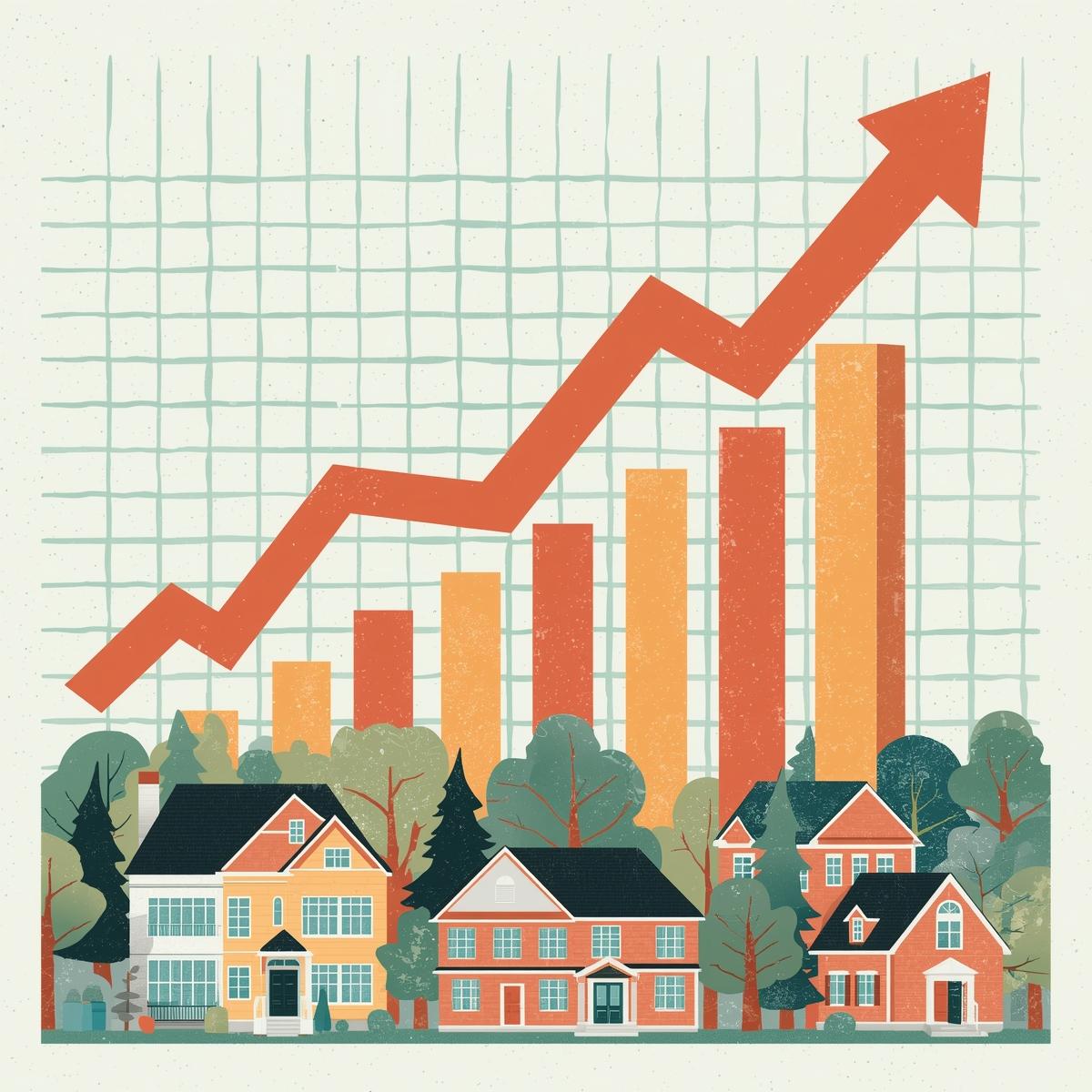
As we enter 2026, the Utah real estate market is sending mixed signals, and that disconnect has left many buyers and sellers unsure of what to believe. Despite mortgage rates hovering just above 6%, the median sold price in Utah sits only about $12,000 below the height of the COVID-era market. Even more telling, prices are now roughly $50,000 higher than they were in the year immediately following that peak. This confirms that, while the pace has slowed, home values in Utah have continued their gradual climb rather than reversing course.
What adds to the confusion is the gap between market statistics and market perception. According to the Wasatch Front Regional MLS, over the past 60 days the average difference between list price and sold price has been around $13,000. To many buyers, negotiating below asking price can feel like securing a great deal. However, rising median sold prices suggest that these concessions or price reductions are often not enough to outweigh ongoing appreciation, meaning sellers are still frequently walking away with more equity than they would have in prior years.
It is important to remember that these numbers reflect market-wide averages and not individual outcomes. They do not account for truly exceptional homes that continue to command top dollar, nor do they eliminate genuine opportunities that arise from unique circumstances. Well-located, well-presented homes still attract strong demand, while strategic buyers can uncover value through patience and preparation.
This environment represents what many would call a balanced market leading into 2026. Sellers are no longer forced to rush decisions or fear that they’ve missed the peak, while buyers are able to move at a thoughtful pace without feeling pressured into risky or unwise choices. Increased inventory has restored options, and normalization has brought a healthier dynamic back to negotiations.
Ultimately, Utah continues to trend more expensive over time, even within a more stable and balanced market. The difference today lies not in whether homes sell, but in how they sell and the strategy guiding each transaction. Informed decisions, realistic expectations, and sound professional guidance continue to be the defining factors for success on both sides of the market.
or another way