Categories
Equity, Real Estate Investor, Home Buying, Home Selling, Real Estate Education, Real Estate ProfessionalPublished May 16, 2026
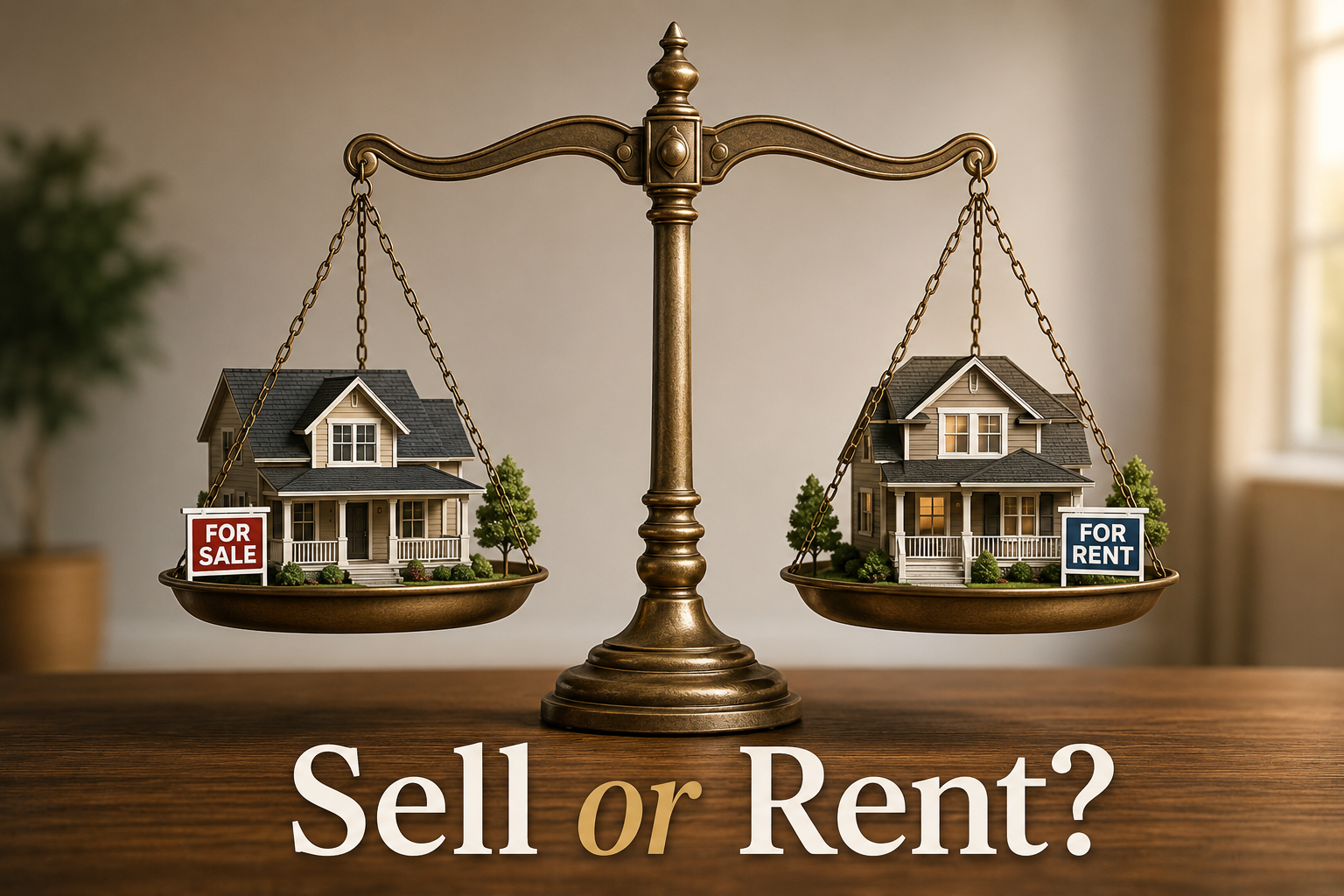
Should You Sell Your Current Home or Turn It Into a Rental Property?

Should You Sell Your Current Home or Turn It Into a Rental Property?
One of the most common questions homeowners face when preparing to purchase their next home is this: “Should we sell our current home and use the equity toward the next purchase, or should we hold onto it and turn it into a rental property?” The answer is not always simple because both paths can create incredible opportunities depending on your financial position, long-term goals, risk tolerance, and lifestyle. What matters most is making an informed decision based on strategy rather than emotion alone.
At Lemonade Real Estate, we believe homeowners deserve to fully understand both the advantages and challenges before making a move that could impact their financial future for years to come. So let’s dive in!
The Power of Holding Onto Real Estate
There is a reason so many long-term investors build wealth through real estate ownership. Holding onto a property can create multiple layers of financial opportunity over time. If you purchased your home during a lower interest rate environment, your mortgage payment may now be significantly lower than current market financing. In many situations, this creates the possibility for positive monthly cash flow once the property is rented.
Beyond monthly income, rental property may also provide several long-term financial benefits:
- A tenant helping pay down your mortgage balance
- Long-term property appreciation
- Potential tax advantages such as depreciation
- Increased net worth through equity growth
- Additional retirement or passive income opportunities later in life
For many homeowners, keeping a previous home becomes their first step into real estate investing. In the right situation, this can be an incredibly powerful wealth-building strategy.
Being a Landlord Is Not for Everyone
While rental properties can create opportunities, they also create responsibility. Owning an investment property means accepting that unexpected expenses will happen. Repairs, vacancies, maintenance issues, appliance failures, insurance claims, and tenant-related challenges are all part of the equation. One of the biggest questions homeowners should ask themselves is: “Do we truly want to become landlords?” Some people enjoy managing properties, coordinating repairs, and communicating with tenants. Others quickly realize stress, time commitment, and unpredictability are not worth it for their lifestyle.
Another major factor is proximity. If your current home is located far away from the next property you are purchasing, managing the rental can become far more difficult. Even simple maintenance requests become more time-consuming and expensive when distance is involved. This is where professional property management can become extremely valuable.
Should You Hire a Property Management Company?
Many homeowners decide to keep their property but outsource the day-to-day management responsibilities to a professional property management company. This can help reduce stress by allowing professionals to handle:
- Tenant screening
- Lease agreements
- Rent collection
- Maintenance coordination
- Inspections
- Communication and compliance issues
However, management services do come at a cost. Homeowners need to evaluate whether the property will still produce acceptable cash flow after accounting for management fees, repairs, reserves, vacancies, insurance, and other operating expenses. Cash flow on paper and cash flow are not always the same thing.
The Cost of NOT Selling
One of the most overlooked parts of this conversation is the opportunity cost of keeping a home. If you choose not to sell your current property, you may be leaving a large amount of equity locked inside the home. That equity could potentially be used toward the purchase of your next property. Rolling equity into the next purchase can:
- Reduce your monthly mortgage payment
- Lower your interest expense over time
- Improve your debt-to-income ratios
- Reduce financial stress
- Increase affordability on the next home
This becomes especially important in higher interest rate environments. For example, a homeowner may successfully cash flow a rental property by a few hundred dollars per month, but if they are simultaneously financing a much larger loan on their next home at today’s interest rates, the additional interest expense could outweigh the rental income advantage. That does not automatically mean keeping the property is a bad decision. It simply means the full financial picture needs to be evaluated carefully.
Questions Homeowners Should Ask Themselves
Before deciding whether to sell or rent your current home, consider asking yourself these non-emotional, strategic questions:
- Do we have sufficient financial reserves for unexpected repairs or vacancies?
- Are we comfortable becoming landlords?
- Would we rather self-manage or hire professional management?
- How much equity would remain tied up in the current home?
- Would using that equity improve our next purchase significantly?
- Does the property realistically cash flow after all expenses?
- What are our long-term financial goals?
- Are we trying to maximize monthly affordability or long-term wealth creation?
There Is No Universal Right Answer
Some homeowners are excellent candidates for long-term rental ownership and build tremendous wealth through real estate investing over time. Others discover that simplifying their finances, reducing debt, and rolling equity into their next home creates far greater peace of mind and flexibility for their family. Both approaches can be smart. The key is understanding the tradeoffs.
At Lemonade Real Estate, our goal is not to pressure clients in one direction or another. Our role is to help families understand the risks, opportunities, numbers, and long-term implications so they can make the most informed decision possible for their unique situation. If you are considering purchasing your next home and wondering whether keeping your current property as a rental makes sense, we would be honored to help you evaluate the full picture and build a strategy that aligns with your goals.
or another way